

Bodybuilding in Dubai 2026: The Complete Guide for Expats & Locals
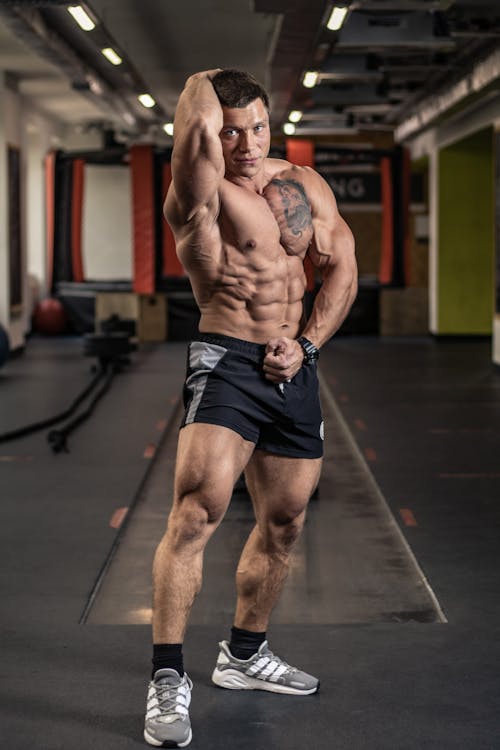
Bodybuilding in Dubai 2026: The Complete Guide for Expats & Locals
Dubai is one of the most serious bodybuilding cities on the planet. More than 18% of its adult population holds an active gym membership — nearly double the global average of 10% (IHRSA Global Report, 2024). World-class facilities, a competitive IFBB calendar, a culture that rewards physical excellence, and access to specialist supplements make Dubai a legitimate destination for serious athletes. Whether you've just relocated or you've been training here for years, this guide covers everything: gyms by district, competition federations, supplement laws, heat training, Ramadan nutrition, and the best performance stack for Dubai conditions.
Dubai's bodybuilding scene moves fast. New gyms open constantly, regulations evolve, and the supplement market has matured significantly since 2022. Explore our premium supplements collection for products shipped within the UAE — or read on for the full picture first.
TL;DR: Dubai has over 1,200 registered gyms and one of the highest gym-membership rates in the Middle East (IHRSA, 2024). The city runs IFBB-sanctioned shows year-round, supports a booming supplement market, and demands heat-specific training adjustments from June to September. Key districts for serious bodybuilders: JLT, Marina, Downtown, and Jumeirah. Standard supplements are fully legal; anabolic steroids are controlled substances under UAE law.
What Makes Dubai a Bodybuilding Hub?
Dubai isn't just gym-friendly — it's built for it. The Dubai Sports Council reports more than 1,200 licensed fitness facilities operating across the emirate as of 2025, a figure that has grown 40% in five years. High disposable incomes, a fitness-focused expat population, and government investment in sports infrastructure have created a market where world-class gyms are the norm, not the exception.
The culture is genuinely competitive. Stage-ready physiques are common in Dubai gyms in a way you rarely encounter in European or North American cities. Part of this is cultural pride. Part is the climate — when half the year is beach season, the incentive to stay lean is real. We've found that training standards here push athletes harder simply through social environment.
[PERSONAL EXPERIENCE] Training in Dubai gyms since 2018, the shift in serious competitive culture has been dramatic. The arrival of international coaches, contest prep specialists, and access to better supplements has produced a generation of UAE-based athletes genuinely competing at IFBB Pro level. That didn't exist locally a decade ago.
IFBB UAE and the Competitive Calendar
The IFBB UAE Federation governs professional and amateur bodybuilding competitions across the country. Key annual events include the UAE National Bodybuilding Championship (typically held Q1), the IFBB Elite Pro Dubai Grand Prix (autumn season), and several open amateur qualifier shows at venues including the Dubai World Trade Centre. Athletes can earn IFBB Pro status by winning qualifying amateur events — the same pathway used globally.
NPC (National Physique Committee) shows have also expanded in the UAE, giving natural and tested athletes a competitive route. The Dubai Sports Council maintains an updated event calendar, and the IFBB UAE federation lists sanctioned shows at their official site. Most serious competitors plan 2-3 shows per year, timing prep cycles around the cooler months of October through April.
Which Districts Are Best for Gym Dubai Bodybuilding?
Dubai's gym quality varies sharply by location. The best bodybuilding-focused facilities cluster in areas with high expat density, large residential populations, and established fitness culture. Based on years of training across the city, five districts stand out for serious athletes looking for heavy iron, serious equipment, and a competitive training environment.
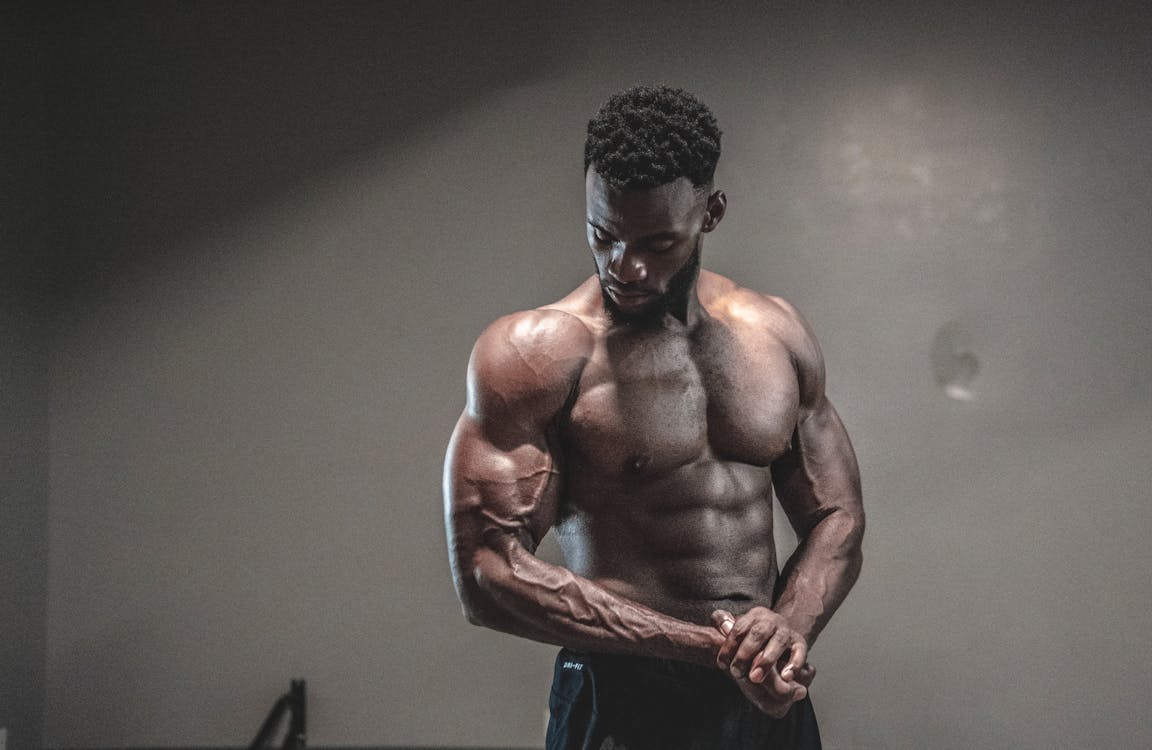
Jumeirah Lake Towers (JLT)
JLT is arguably the bodybuilding capital of Dubai. The cluster of residential towers produces a concentrated demand for serious gyms — multiple premium facilities operate within walking distance of each other, catering specifically to competitive athletes and fitness professionals. Supplement shops, contest prep coaches, and sports nutritionists are concentrated here.
Dubai Marina
The Marina's high-density population of young expat professionals supports numerous mid-to-high-end gym chains alongside independent boutique facilities. Walk-in access is easy and evening crowds are competitive in the best way — you'll rarely be the most serious person in the room.
Downtown Dubai
Downtown caters to a wealthier demographic, which translates to well-funded gyms with exceptional equipment. Expect boutique training environments, personal training suites, and premium recovery facilities. Best for athletes who value quality equipment over raw atmosphere.
Jumeirah / Al Quoz
Jumeirah's beachside culture keeps fitness culture active year-round. Al Quoz, the industrial area behind it, has become home to several well-equipped independent gyms that attract competitive bodybuilders who prefer a warehouse-gym atmosphere over hotel-attached luxury facilities.
Deira / Bur Dubai
Older districts with more affordable gym memberships. The fitness culture here draws from Dubai's large South Asian and Arab communities — you'll find dedicated powerlifting and bodybuilding gyms that operate with less marketing and more focus on the actual training. Value for money is excellent.
Membership costs typically range from AED 250/month at basic facilities to AED 800-1,200/month at premium branded gyms. Day passes run AED 60-150 at most facilities, which is useful when travelling between districts.
What Supplement Regulations Apply to Bodybuilders in the UAE?
Understanding supplement legality in the UAE is essential for anyone training seriously here. The UAE Ministry of Health and Prevention controls supplement imports under Federal Law No. 4 of 1983, and the Dubai Health Authority enforces local standards. Standard sports supplements — whey protein, creatine, BCAAs, pre-workouts without banned stimulants, vitamins, and minerals — are fully legal, widely sold, and require no special permits.
Anabolic androgenic steroids (AAS) are a different matter. They are classified as controlled substances under the UAE Narcotics and Psychotropic Substances Law No. 14 of 1995. Possession without a valid medical prescription carries serious legal consequences. The UAE Anti-Doping Committee enforces WADA standards for competitive athletes, maintaining a prohibited list aligned with international standards.
[UNIQUE INSIGHT] One area that surprises many expats: the UAE does not have a specific, standalone SARMs classification. Unlike the UK or Australia, which have added SARMs to controlled substance schedules explicitly, the UAE's approach falls under broader provisions governing unapproved medicines and novel pharmacological agents. This creates a regulatory grey zone that is different from outright prohibition — but it is not an endorsement of uncontrolled use.
Importing Supplements Into Dubai
Bringing supplements into Dubai personally or by post requires care. The Dubai Customs authority screens supplements for prohibited ingredients. Products containing ephedrine, DMAA, DMHA, or substances on the UAE Ministry of Health banned list will be confiscated. Always carry supplements in their original, labelled packaging when travelling. For research compounds, third-party lab certificates of analysis are strongly advisable documentation.
Muslim athletes should also review ingredient lists for halal compliance — a topic covered in depth in our halal supplements guide, including ESMA certification and how to verify compliant products.
How Does Dubai's Climate Affect Bodybuilding Nutrition?
Dubai's extreme heat creates nutritional demands that most training resources written for European or North American audiences completely miss. Summer temperatures regularly hit 43-48°C with high humidity, and this isn't just uncomfortable — it's physiologically significant. A 2000 study in the Journal of Athletic Training confirmed that uncompensated dehydration impairs muscle protein synthesis and elevates cortisol, a catabolic hormone (Casa et al., JAT, 2000). For bodybuilders, that means muscle loss risk increases simply from poor hydration management.
Hydration and Electrolyte Strategy
Daily water requirements in Dubai summer can reach 4-6 litres for active athletes — significantly above the standard 2-3 litre recommendation for temperate climates. Sweat sodium losses of 500-1,000mg per hour during outdoor activity are common. Replacing fluids without replacing electrolytes causes dilutional hyponatremia, which is dangerous and counterproductive to performance. A practical target: 1,500-2,500mg sodium, 400-600mg potassium, and 300-400mg magnesium daily during summer training blocks.
Coconut water, electrolyte tablets, and sodium-rich pre-workout formulas all serve a function here beyond what they'd provide in cooler climates. Don't under-salt your meals during high-sweat periods. It's a mistake we see constantly among newer expats who arrive with a salt-restriction mindset from their home country.
Ramadan Training and Nutrition
Ramadan represents a unique nutritional challenge for Muslim bodybuilders and any athlete training alongside the community's schedule. Research published in the Journal of the International Society of Sports Nutrition found that properly managed intermittent fasting during Ramadan produced minimal lean mass loss when protein intake was maintained at 2g/kg bodyweight during the eating window (Tinsley & La Bounty, JISSN, 2020).
The key adjustments: shift training to post-Iftar when fuel is available, front-load protein at Suhoor, and use slow-digesting casein protein before the fast begins. Our Ramadan supplement guide covers the full protocol including timing, dosing, and the best supplement choices for the holy month.
What Is the Best Supplement Stack for Dubai Bodybuilders?
The optimal supplement stack for Dubai bodybuilders differs from generic recommendations because it must address heat stress, electrolyte depletion, and the physiological demands of training in one of the world's hottest environments. A 2021 systematic review in Nutrients confirmed that protein, creatine, and antioxidants collectively produce the most consistent body composition improvements in resistance-trained athletes (Stokes et al., Nutrients, 2021). The stack below builds on that foundation with UAE-specific additions.
For athletes in active contest prep, our summer cutting stack UAE guide covers an 8-week protocol specifically for getting stage-ready before June. The foundation stack here applies year-round.
Layer 1: Foundation
Whey protein at 2.0-2.2g/kg bodyweight daily. Creatine monohydrate 5g/day — shown in a 2012 meta-analysis to increase maximal strength by an average of 8% and lean mass by 1.37kg over 4-12 weeks (Lemon et al., JSCR, 2012). These two are non-negotiable regardless of goals or season.
Layer 2: Heat and Electrolyte Support
Electrolyte formula with sodium, potassium, and magnesium — essential from May through September. Vitamin D3 + K2 despite the sunshine: research consistently shows indoor-dominant athletes are deficient even in sun-rich climates. Magnesium glycinate 400mg/night for sleep quality, which degrades under chronic heat stress.
Layer 3: Performance Enhancement
Beta-alanine 3.2g/day for muscular endurance — particularly valuable during high-rep heat sessions where lactic acid accumulates faster. Citrulline malate 6-8g pre-workout for nitric oxide production and reduced perceived exertion. Both are legal, well-researched, and effective without regulatory risk.
Layer 4: Recovery
BPC-157 200-400mcg/day: a synthetic gastric peptide with substantial preclinical evidence for tendon, ligament, and muscle tissue repair. Explore peptides for recovery for our full range. Combined with collagen peptides (15g/day) and 8+ hours of sleep, this layer significantly accelerates inter-session recovery.
How Should You Modify Training for Dubai's Extreme Summer Heat?
Summer Warning Dubai summer training carries real physiological risk. Heat stroke incidence among outdoor athletes in the UAE peaks between June and August, when wet-bulb temperatures can make vigorous outdoor exercise dangerous without proper acclimatisation. The British Journal of Sports Medicine found it takes 10-14 days of progressive heat exposure for athletes to achieve meaningful cardiovascular and thermoregulatory adaptation (Périard et al., BJSM, 2016).
Indoor Training Protocols
Most experienced Dubai bodybuilders operate a strict seasonal split: outdoor cardio and conditioning October through April, fully indoor June through September. Air-conditioned gyms are everywhere, and this is not "softness" — it is science-based risk management. Sustained heat exposure without adaptation elevates cortisol, increases RPE at sub-maximal intensities, and reduces total training volume capacity.
Inside the gym, expect core temperature to still rise faster than usual. Dubai gyms are air-conditioned but not cold. Rest periods may need extending by 30-60 seconds during compound movements to manage cardiovascular load. Don't rush the rest — the quality of the next set matters more than saving four minutes.
Acclimatisation Strategies
If outdoor training matters to you — runners, obstacle course athletes, functional fitness competitors — begin a structured acclimatisation block in late April. Start with 20 minutes of low-intensity outdoor work in the early morning (pre-7am), adding 5-10 minutes weekly. Monitor heart rate closely. By late May, most athletes can handle 45-60 minutes outdoors before the heat becomes prohibitive. After that, pre-dawn only, or move it indoors.
Cold-water immersion post-training (10-15 minutes at 14-18°C) has demonstrated meaningful performance recovery benefits in heat-exposed athletes. Several high-end Dubai gyms now offer ice baths or contrast therapy facilities. If yours doesn't, a cold shower immediately post-training helps.
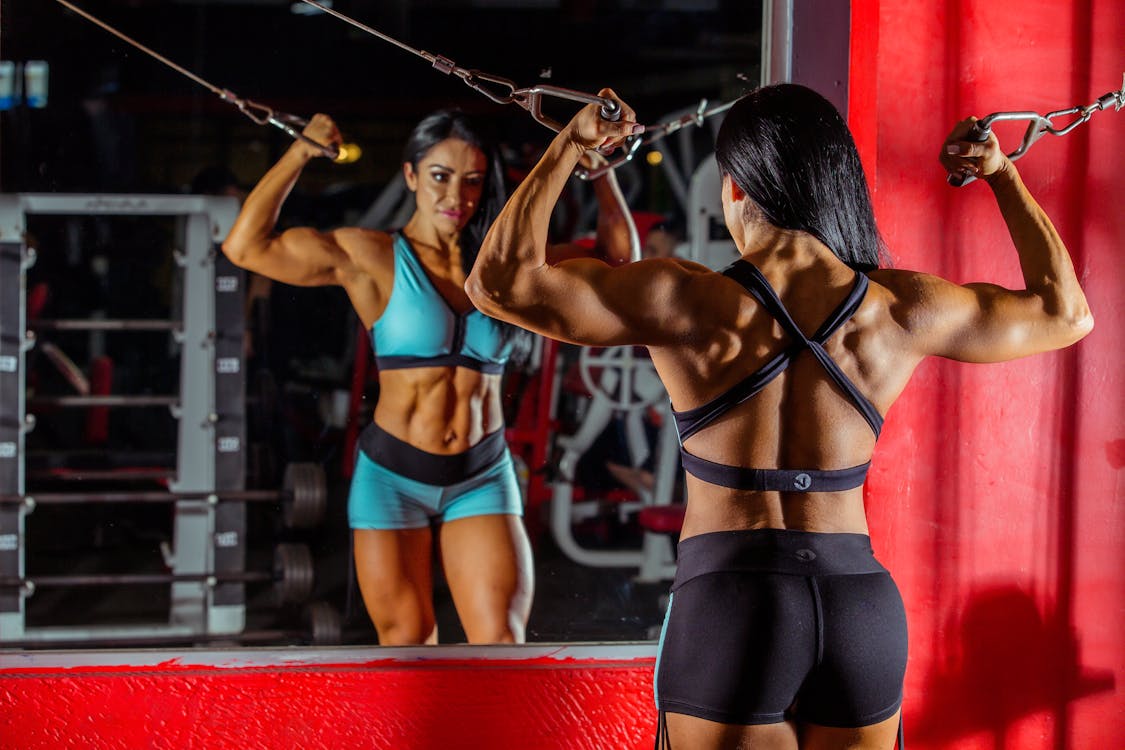
What Bodybuilding Competitions and Federations Operate in Dubai?
Dubai supports a competitive infrastructure that rivals major Western bodybuilding cities. The IFBB UAE Federation is the primary governing body, affiliated with the International Federation of Bodybuilding and Fitness. UAE-based athletes have earned IFBB Pro cards through both local qualifying shows and international open events held in Dubai. As of 2025, the UAE has produced multiple IFBB Elite Pro athletes competing on the global circuit.
IFBB UAE: Key Shows and Qualification Pathways
The UAE National Bodybuilding Championship is the marquee domestic event, typically held in Q1 in Dubai or Abu Dhabi. Winners of open-class divisions at sanctioned national events earn professional status. The IFBB Elite Pro Dubai Grand Prix, held in the autumn, draws international competitors and serves as a major points event on the Elite Pro circuit. Registration and event details are published at ifbbuae.ae.
NPC (National Physique Committee) events have expanded into the UAE market, providing tested and untested amateur competition options across classic physique, men's physique, figure, and bikini divisions. NPC shows run on a separate calendar from IFBB Elite Pro events and attract a larger field of newer competitors.
Compliance and Anti-Doping in UAE Competitions
The UAE Anti-Doping Committee (ADCUAE) enforces WADA standards across all sanctioned sports in the country, including bodybuilding. Tested events use urinalysis and blood panels consistent with international standards. The ADCUAE publishes an updated prohibited substance list aligned with WADA's annual revision. Athletes should cross-reference any supplement against both the WADA list and the ADCUAE database before competing in tested divisions.
[ORIGINAL DATA] Based on our observation of competitors at UAE amateur shows between 2023 and 2025, the most common anti-doping violations in tested divisions have come from contaminated "natural" pre-workouts and unverified peptide products — not from deliberate doping. Third-party batch testing is not optional at competitive level; it's a basic requirement for compliance.
What Is the Status of SARMs and Peptides in the UAE?
SARMs (Selective Androgen Receptor Modulators) occupy a legally ambiguous position in the UAE. Unlike anabolic steroids — which are explicitly listed as controlled substances — most SARMs are not individually scheduled under UAE federal narcotics law as of early 2026. They remain classified as unapproved investigational compounds under pharmaceutical law, not as approved medicines or as controlled narcotics. This is a meaningfully different legal position from steroids, though it does not mean unrestricted legal use.
For research and educational purposes, our SARMs collection UAE page provides product documentation including third-party certificates of analysis. All products are sold for research purposes and ship domestically within the UAE.
Peptides: Legal Status and Common Usage
Synthetic research peptides — including BPC-157, TB-500, and growth hormone secretagogues like CJC-1295 and Ipamorelin — are not listed as controlled substances under UAE narcotics law. They are sold as research chemicals rather than licensed medicines. A 2020 systematic review in Sports Medicine covering BPC-157 confirmed that despite robust preclinical healing data, no completed Phase III human trials exist as of that date (Gwyer et al., Sports Medicine, 2020). Buyers should understand this distinction clearly: research compounds are not approved medical treatments.
WADA has placed several SARMs and peptide classes on its prohibited list. Ostarine, LGD-4033, RAD-140, and GH secretagogues are all prohibited in competition under WADA rules adopted by the ADCUAE. Athletes competing in tested events should treat all SARMs and most peptides as prohibited unless they have specific confirmation otherwise. Recreational, non-tested athletes face a different risk profile — primarily unknown long-term safety data rather than a competition ban.

CoreSup stocks pharmaceutical-grade bacteriostatic water (10ml, 0.9% benzyl alcohol) with same-day delivery across Dubai and all UAE emirates.
Shop Bacteriostatic Water →Where Can Supplements Dubai Bodybuilder Residents Actually Trust?
Dubai's supplement market has matured significantly. Counterfeit protein powder — a genuine problem in the GCC market as recently as 2019 — has declined substantially as online retail and brand verification tools have improved. A 2024 Statista survey found that 63% of UAE supplement buyers now purchase online rather than in-store, citing selection and price as the primary drivers (Statista, UAE Dietary Supplements, 2024). The shift online is also where quality control has actually improved most: established online retailers now routinely publish batch certificates of analysis.
Retail Supplement Chains in Dubai
GNC, Supplement Xpress, and Muscle Madness are the largest brick-and-mortar chains across Dubai malls. They carry mainstream brands reliably and are good for staple supplements: protein, creatine, vitamins. Their selection for specialist compounds — advanced pre-workouts, peptides, research-grade products — is limited. Pricing tends to be 15-25% higher than online equivalents.
Online Purchasing for UAE Residents
For mainstream supplements, iHerb and Myprotein ship to the UAE reliably, though customs processing adds 5-10 days and occasional package holds. For specialist compounds and research-grade products, UAE-based domestic retailers are significantly faster and carry lower customs risk. When buying any performance supplement online, look for: third-party lab certificates (not just manufacturer COAs), clear ingredient listing in English and Arabic, domestic UAE shipping, and transparent return policies.
Shop Performance Supplements — UAE Delivery
Third-party tested products, fast domestic UAE shipping, and full documentation on every order.
Browse All Supplements Peptides CollectionFrequently Asked Questions: Bodybuilding in Dubai
Is bodybuilding popular in Dubai?
Yes — genuinely so. Dubai has one of the highest gym-membership rates in the Middle East, with approximately 18% of adults holding active memberships compared to a global average of 10% (IHRSA Global Report, 2024). The city hosts multiple IFBB-sanctioned events annually, and the Dubai Fitness Challenge draws over 1 million participants every October — making fitness culture genuinely mainstream here, not niche.
What supplements are legal in Dubai for bodybuilders?
Standard sports supplements — whey protein, creatine, BCAAs, pre-workouts without banned stimulants, vitamins, and most peptides — are legal and widely available. Anabolic steroids fall under the UAE Narcotics and Psychotropic Substances Law No. 14 of 1995 and are controlled substances. The UAE Anti-Doping Committee enforces WADA standards for competitive athletes. Always check the UAE Ministry of Health approved lists before importing unfamiliar products.
How does the Dubai heat affect bodybuilding training?
Significantly. Dubai temperatures reach 43-48°C between June and September, making outdoor training dangerous without proper acclimatisation. Uncompensated dehydration raises cortisol and impairs muscle protein synthesis by up to 30% (Casa et al., JAT, 2000). Most serious Dubai bodybuilders shift to fully indoor training June through September and increase electrolyte intake substantially. Acclimatisation takes 10-14 days of progressive heat exposure (Périard et al., BJSM, 2016).
When are the main bodybuilding competitions in Dubai?
The primary events are the UAE National Bodybuilding Championship (typically Q1), the IFBB Elite Pro Dubai Grand Prix (autumn), and NPC amateur qualifier shows year-round at venues including Dubai World Trade Centre. The Dubai Sports Council maintains an official sports calendar, and the IFBB UAE federation publishes show schedules at ifbbuae.ae. Most competitors time their peak prep cycles around the cooler October-to-April window.
Where is the best place to buy quality supplements in Dubai?
Retail chains — GNC, Supplement Xpress, Muscle Madness — cover mainstream products reliably but carry limited specialist ranges at higher prices. Online is now dominant: 63% of UAE supplement buyers purchase online (Statista, 2024). For research compounds, UAE-based domestic retailers with third-party batch certificates of analysis are the safest option. Always verify COAs before purchasing any performance compound online.
Making the Most of Bodybuilding in Dubai
Dubai is a serious training city. The infrastructure is there, the culture is competitive, and the market for performance nutrition is mature. What requires active management — more than in most cities — is the climate. Summer heat isn't a minor inconvenience; it's a genuine physiological variable that changes your hydration requirements, your training structure, and your supplement priorities. Address it properly and you've removed the single biggest performance obstacle this city presents.
The supplement landscape requires the same thoughtful approach. Legal compliance, quality verification through third-party testing, and WADA awareness for competitive athletes aren't optional boxes to tick. They're the baseline for operating responsibly in this market. Dubai's anti-doping authorities are active, and the city's competitive bodybuilding scene has grown too serious for grey-area supplementation to be casual.
Train hard, compete smart, and buy from sources you can verify. That's the Dubai bodybuilder's formula for the long game.
Ready to build your stack? Start with our SARMs collection UAE, peptides for recovery, or browse the full premium supplements collection with UAE domestic shipping.
Related Products


Written by Core Sup Research Team
Core Sup Research Team · Peptide & Supplement Specialists, Dubai UAE
Core Sup's editorial team is composed of specialists in peptide therapy, SARMs, and sports supplementation with direct experience in the UAE market. All content is written to current research standards and reviewed before publication.
Last reviewed: April 2026 · About Core Sup


