

Ramadan Bodybuilding Supplement Guide 2026: Maintain Muscle While Fasting

Ramadan Bodybuilding Supplement Guide 2026: Maintain Muscle While Fasting
Ramadan 2026 runs from 28 February to 29 March — and if you're a bodybuilder or athlete fasting in the UAE, you already know the challenge. Sixteen-plus hours without food or water, back-to-back training sessions, and the pressure not to lose the gains you've spent months building. The good news? With the right supplement timing strategy, you don't have to lose anything.
This guide covers exactly when to take your protein, creatine, SARMs, and peptides around Suhoor and Iftar so that your body stays anabolic through the fast. It's built on peer-reviewed research — not guesswork — and tailored specifically for athletes training in the UAE heat.
TL;DR: A 2020 systematic review of 8 studies found that lean body mass is generally maintained when intermittent fasting is combined with resistance training (PMC, 2020). Time your protein, creatine, and SARMs around Iftar and Suhoor, train in the evening after breaking fast, and your muscle is safe.
Does Fasting During Ramadan Actually Cause Muscle Loss?

Fasting alone does not cause significant muscle loss when training continues. A peer-reviewed systematic review examining 8 randomised studies with 219 participants concluded that lean body mass is generally maintained when intermittent fasting is combined with resistance training — with 4 of the 8 studies actually showing mean LBM increases (PMC7468742, 2020). The risk isn't the fast itself. It's letting your protein intake collapse, skipping sessions, or training at the wrong time of day.
The Muslim bodybuilders who struggle during Ramadan are usually making one of three mistakes: eating too little protein across their two meals, training mid-afternoon when energy is lowest, or abandoning their supplement routine entirely. All three are fixable.
Key insight: Muscle loss during Ramadan is almost always a nutrition timing failure, not a fasting problem. Athletes who hit their protein targets across Suhoor and Iftar consistently preserve lean mass — the fasting window itself is metabolically protective at the hormonal level due to elevated growth hormone during sleep fasts.
Research on bodybuilders specifically showed that resistance training performed during Ramadan — even in a fasted state — did not cause measurable strength loss when protein intake was maintained (PMC3639860, 2013). The fed-state training group (training after Iftar) did show superior maximal strength gains compared to fasted daytime training, which is why evening training is the protocol we recommend.
When Should You Train During Ramadan?
Training after Iftar produces significantly better performance than training during daylight fasting hours. A published study found that Ramadan fasting had a small to moderate negative impact on high-intensity exercise performance during the day, with the optimal training window confirmed to be in the evening after breaking the fast (PubMed 22947072). For UAE athletes in March heat, this is even more critical — dehydration compounds the performance drop significantly.
Here's the protocol that works for most athletes in Dubai and across the GCC:
- Iftar (sunset, ~6:30–7:00 PM) — Break fast with dates + water. Immediately take creatine, BCAAs, and any daily-dose SARMs.
- Post-Iftar meal (7:30–8:00 PM) — High-protein meal: 50–60g protein (chicken, eggs, whey).
- Training window (9:00–11:00 PM) — Peak window. Muscles are fuelled, hydration is restored, body temperature is cooler.
- Post-workout (11:00 PM–12:00 AM) — Whey protein shake + any peptide injections (BPC-157, TB-500).
- Suhoor (3:00–4:00 AM) — Slow-release casein or eggs + creatine loading dose if not taken at Iftar. Take morning-dose supplements here.
How to Time Your Supplements: The Ramadan Window

Every supplement you take needs to fit into two eating windows: Iftar (~6:30 PM) and Suhoor (~3:30 AM). That's roughly a 9-hour eating window — which is actually comparable to a 16:8 intermittent fasting protocol used by athletes year-round. Here's the full timing breakdown:
At Iftar (First Priority Window)
- Creatine monohydrate (5g) — Take immediately at Iftar with water. Insulin spike from dates and fruit accelerates uptake into muscle cells.
- Whey protein (30–40g) — Fast-absorbing protein to halt the catabolic state from the day's fast. Mix with milk for added calories.
- SARMs (daily dose) — Take with your Iftar meal. Most SARMs (RAD140, Ostarine, LGD-4033) have half-lives of 16–24 hours, so a single evening dose maintains consistent blood levels throughout the following day's fast. Browse SARMs at CoreSup.
- Electrolytes — Critical in UAE heat. Sodium, potassium and magnesium replenishment at Iftar reduces performance-killing cramps during evening training.
Post-Training (11 PM Window)
- Peptides — BPC-157 / TB-500 — If you're using healing or recovery peptides, the post-workout window is optimal. Growth hormone peptides (CJC-1295, Ipamorelin) are most effective taken before sleep, which aligns with Ramadan's natural sleep schedule shift.
- Second whey protein shake (30g) — Muscle protein synthesis is elevated 2–4 hours post-training. Don't miss this window.
- ZMA / Magnesium — Supports sleep quality, which is typically disrupted during Ramadan schedule shifts.
At Suhoor (Pre-Dawn Meal)
- Casein protein (30–40g) — Slow-digesting protein that releases amino acids steadily over 7–8 hours of the fast. Best single change you can make to preserve muscle.
- Creatine (5g) — If you missed Iftar dose. Creatine saturation timing is flexible within the eating window.
- Multivitamin + Vitamin D — UAE athletes are commonly deficient in Vitamin D despite sun exposure (paradoxically — due to indoor culture and covered skin). Supplementing at Suhoor maintains immune function and testosterone levels. Shop daily supplements at CoreSup.
Research on time-of-day resistance training during Ramadan confirms that evening fed-state training is significantly more effective than fasted daytime training for maximal strength outcomes (PubMed 39628468, 2025). Athletes training after Iftar maintained greater strength levels across the 30-day Ramadan period compared to those who trained fasted during daylight hours.
Can You Use SARMs During Ramadan? What You Need to Know
SARMs (Selective Androgen Receptor Modulators) are among the most commonly used research compounds by UAE bodybuilders looking to maximise muscle retention during a caloric deficit — and Ramadan represents exactly that kind of deficit. The key advantage of SARMs during Ramadan is their anti-catabolic effect: they signal muscle tissue to retain nitrogen even in a fasted, calorie-restricted state.
Here's how each popular SARM fits into a Ramadan protocol:
Ostarine MK-2866 — Best for Ramadan Muscle Preservation
Ostarine is the most Ramadan-appropriate SARM because it's specifically studied for muscle preservation in calorie-deficient states. Its half-life is 24 hours, so one dose at Iftar covers the full fasting window. At 10–20mg/day, Ostarine helps retain lean mass without the androgenic side effects that would worsen mood or libido changes already common during the sleep-disrupted Ramadan month.
RAD-140 — For Athletes Who Want to Keep Gaining
RAD-140 (Testolone) at 5–10mg/day taken at Iftar is suitable for athletes who don't want to just maintain — they want to keep progressing through Ramadan. Its anabolic potency is higher than Ostarine. Note: it is more suppressive, so post-cycle therapy planning is important after Ramadan ends.
LGD-4033 — Strength and Fullness
LGD-4033 (Ligandrol) at 2.5–5mg/day helps maintain the "full" look in muscles even during caloric restriction. Many UAE athletes report significantly reduced strength loss during Ramadan cycles with LGD compared to natural fasting. Take at Iftar with food.
Important disclaimer: SARMs are research compounds not approved by the FDA or ESMA for human use. Always consult a qualified healthcare professional before use. This information is provided for educational purposes only. View our full SARMs range here.
Peptides During Ramadan: Recovery While You Sleep
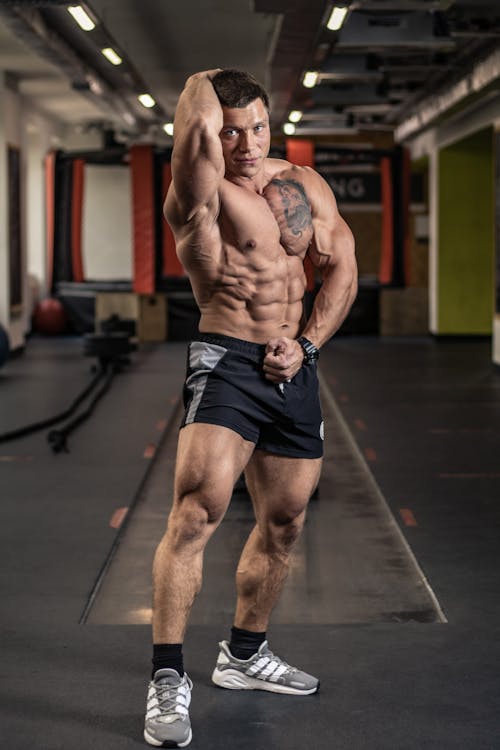
Peptides are actually ideally suited to Ramadan protocols because the best time to administer most recovery peptides is before sleep — which aligns perfectly with the late-night sleep schedule athletes adopt during Ramadan. Your body does its deepest repair work during the first 2–3 sleep cycles, and growth hormone secretion peaks in this window.
A 2025 peer-reviewed study published in PMC found that BPC-157 demonstrates significant potential for injury healing and tissue repair in sports medicine contexts, with evidence of accelerated recovery timelines (PMC12313605, 2025). For athletes with chronic joint or tendon issues, Ramadan's reduced training volume can actually be a strategic window to run a BPC-157 or TB-500 protocol.
BPC-157 — The Healing Peptide
BPC-157 (Body Protective Compound-157) works on the gut, tendons, and connective tissue. Ramadan is an excellent time to run a BPC-157 cycle because the reduced training load creates a recovery environment. Dose: 200–500mcg before sleep, taken for 4–6 weeks. The reduced calorie intake during Ramadan doesn't impair BPC-157's mechanism — it works via growth hormone receptor pathways independent of nutritional status.
TB-500 — Muscle and Joint Recovery
TB-500 (Thymosin Beta-4) is the peptide for muscle fibre repair and flexibility. If you're training hard after Iftar and dealing with accumulated soreness from training on reduced calories, a TB-500 protocol provides faster recovery between sessions. Dose: 2–2.5mg twice per week, taken in the evening window. View all peptides at CoreSup.
CJC-1295 + Ipamorelin — Sleep-Based Growth Hormone Release
This GH-releasing peptide stack is especially powerful during Ramadan because you're already sleeping later and longer. Taking CJC-1295 (1–2mg) + Ipamorelin (200mcg) before your main sleep session (usually 1–3 AM during Ramadan) maximises the nocturnal GH pulse — the most anabolic window of any 24-hour period.
Creatine and Protein: The Non-Negotiables
Forget everything else for a moment — if you do nothing else, getting creatine and protein right across your two eating windows will protect 80% of your muscle during Ramadan. The International Society of Sports Nutrition (ISSN) classifies creatine as the most effective ergogenic nutritional supplement available for increasing high-intensity exercise capacity and muscle mass, with an established long-term safety record (ISSN Position Stand, PubMed, 2017).
Ramadan-specific insight: The traditional Ramadan Iftar meal — dates, fruit juice, soup, and bread — is actually an ideal creatine delivery vehicle. The rapid carbohydrate absorption creates a strong insulin response that drives creatine into muscle cells more effectively than taking creatine with water on an empty stomach. Timing creatine at Iftar is therefore more effective than standard pre-workout dosing.
Protein Targets for Ramadan Athletes
Research on resistance-trained athletes in caloric restriction recommends 1.6–2.2g of protein per kilogram of bodyweight per day to prevent muscle protein breakdown (Healthline, citing multiple RCTs). For an 85kg bodybuilder, that's 136–187g of protein, split across two meals:
- Iftar meal + post-workout: 80–100g protein (chicken breast 300g + whey shake 40g)
- Suhoor: 50–70g protein (4–5 eggs + casein shake 30g)
Don't try to hit all your protein in one meal. Muscle protein synthesis has a ceiling of roughly 35–40g per meal. Spread it across both eating occasions.
Hydration Strategy for UAE Athletes
This section is UAE-specific and often overlooked in generic Ramadan guides. Dubai in March 2026 averages 28–33°C with humidity above 60%. Even for athletes sleeping in air-conditioned rooms and training indoors, dehydration accumulates across 16+ hours of no fluid intake.
A study on professional soccer players during Ramadan found that muscle damage markers (creatine kinase) were significantly elevated at 24 and 48 hours into the fasting period compared to non-Ramadan periods (PMC6909883, 2019). In the UAE heat, this effect is amplified. Here's how to counter it:
- At Iftar: 500–750ml water + electrolytes (sodium 500–1000mg, potassium 200–400mg) before any solid food
- Through the evening: 2–2.5 litres total fluid intake across the eating window
- At Suhoor: 500ml water + 250ml coconut water or electrolyte drink
- Avoid: Excessive caffeine at Suhoor — it increases urinary fluid loss during the fast
Complete Ramadan Supplement Stack Summary
| Supplement | Timing | Dose | Purpose |
|---|---|---|---|
| Whey Protein | Iftar + Post-workout | 30–40g each | Stop catabolism, fuel MPS |
| Casein Protein | Suhoor | 30–40g | Slow-release amino acids during fast |
| Creatine Monohydrate | Iftar | 5g | Strength, ATP production |
| SARMs (Ostarine / RAD140) | Iftar | 10–20mg Ostarine / 5–10mg RAD140 | Muscle preservation, anti-catabolic |
| BPC-157 | Pre-sleep (post-workout) | 200–500mcg | Tissue repair, recovery |
| TB-500 | 2x/week evening | 2–2.5mg | Muscle fibre repair, flexibility |
| CJC-1295 + Ipamorelin | Pre-sleep | 1–2mg + 200mcg | GH pulse, sleep recovery |
| Electrolytes | Iftar + Suhoor | Per product label | Hydration, cramp prevention |
| Vitamin D3 + Magnesium | Suhoor | 2000–5000 IU D3 / 200–400mg Mg | Testosterone support, sleep quality |
Common Mistakes UAE Athletes Make During Ramadan
- Training at 3–5 PM (peak fast hours) — This is the highest-fatigue window. Anaerobic performance drops significantly during the mid-to-late afternoon fast. Move your session to 9–11 PM.
- Skipping Suhoor entirely — This removes the critical casein/slow-protein window and means 18+ hours with no amino acid intake. Suhoor is non-negotiable for bodybuilders.
- Gorging at Iftar — Eating 3,000 calories in one sitting causes insulin overload, digestive stress, and poor sleep. Spread food across the evening window (Iftar + post-training meal).
- Stopping SARMs or peptides "to give the body a rest" — Ramadan is actually when anti-catabolic compounds are most valuable. Stopping them during the highest-catabolism month of the year is counterproductive.
- Underestimating hydration needs in UAE heat — 16 hours in Dubai in March is not the same as 16 hours in London. Factor in passive dehydration from the heat and humidity.
Frequently Asked Questions
Will I lose muscle if I fast during Ramadan?
A systematic review of 8 studies (219 participants) found that lean body mass is generally maintained when intermittent fasting is combined with regular resistance training (PMC7468742, 2020). Muscle loss is preventable with proper protein intake at Suhoor and Iftar and consistent training.
When is the best time to train during Ramadan?
Research consistently shows that evening training after Iftar produces better performance outcomes than daytime fasted training. A PubMed study (22947072) found that fasted daytime exercise had a small to moderate negative impact on high-intensity performance, while evening fed-state training preserved strength and power output.
Can I take creatine during Ramadan?
Yes. Creatine is best taken at Iftar or immediately after your training session. The ISSN confirms creatine is safe for long-term use. Taking it during the eating window maintains muscle creatine stores without breaking the fast.
Can I use SARMs during Ramadan?
SARMs can be timed around the eating window. Take your SARMs dose at Iftar or with your Suhoor meal. Since most SARMs have a half-life of 16–24 hours, a single daily dose at Iftar maintains consistent blood levels throughout the fast. Always consult a healthcare professional before use.
How much protein do I need during Ramadan to maintain muscle?
Aim for 1.6–2.2g of protein per kilogram of bodyweight spread across Suhoor and Iftar meals. Research on resistance-trained athletes shows this intake prevents muscle protein breakdown during extended fasting. Prioritise fast-absorbing whey at Iftar and slow-release casein at Suhoor.
Shop Ramadan-Ready Supplements
Everything you need to keep your gains through Ramadan 2026 — available now with fast delivery across UAE.
Shop Featured Products
Browse our full range of research-grade compounds, available for fast delivery across the UAE.
Shop SARMs & Peptides →
CoreSup stocks pharmaceutical-grade bacteriostatic water (10ml, 0.9% benzyl alcohol) with same-day delivery across Dubai and all UAE emirates.
Shop Bacteriostatic Water →Related Products


Written by Amir Arsalan
Core Sup Research Team · Peptide & Supplement Specialists, Dubai UAE
Core Sup's editorial team is composed of specialists in peptide therapy, SARMs, and sports supplementation with direct experience in the UAE market. All content is written to current research standards and reviewed before publication.
Last reviewed: March 2026 · About Core Sup


