

PT-141 and Testosterone — Hormonal Effects Explained for UAE Researchers
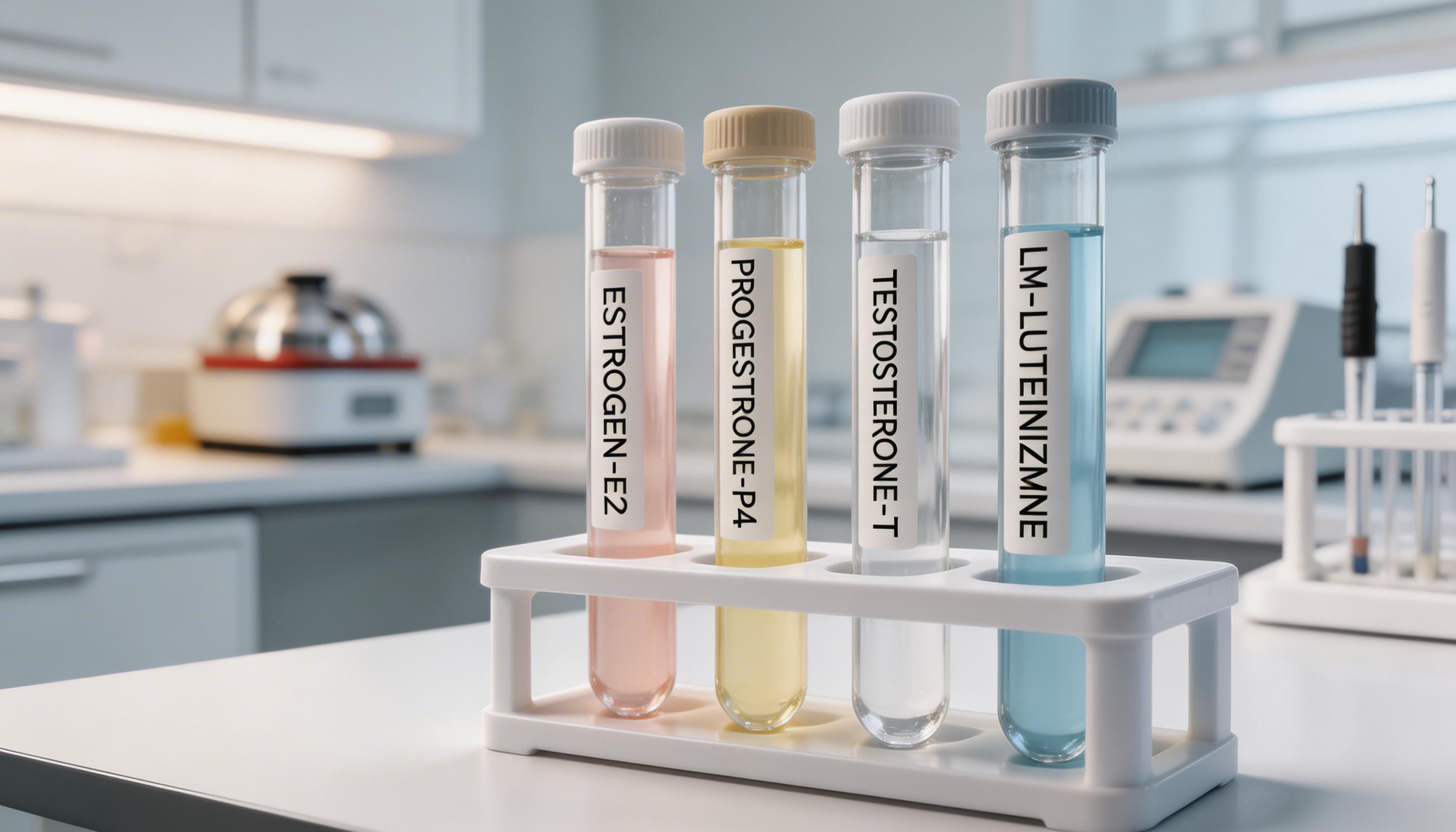
PT-141 and Testosterone: What Bremelanotide Does to Your Hormones
Reviewed by the CoreSup Research Team · Based on FDA prescribing information, melanocortin receptor pharmacology literature, and androgen pathway research · Updated March 2026
A common question from PT-141 researchers in the UAE: does this peptide raise testosterone, and how does it interact with testosterone replacement therapy? The answer requires understanding that PT-141 and testosterone operate through fundamentally separate biological systems that, while they influence the same end outcome (sexual desire and function), do so through entirely different mechanisms. This matters both for setting expectations and for designing effective research protocols.
TL;DR: PT-141 does not directly raise testosterone. It works through melanocortin receptors (MC3R/MC4R) in the brain — a pathway separate from the HPG axis that controls testosterone production. PT-141 and TRT are complementary, not redundant: testosterone provides the hormonal substrate; PT-141 activates the central arousal mechanism. Men on TRT who still have low desire may benefit from adding PT-141. Men with severe hypogonadism may find PT-141 less effective before testosterone is addressed.
For the complete PT-141 overview, see our PT-141 Complete Guide for UAE Residents. For dosing, read our PT-141 Dosage Guide.
Two Separate Systems: Melanocortin vs Androgen
Sexual desire in men (and women) is governed by multiple biological systems that converge on the same neural circuits but through different entry points. The two most relevant for this discussion are:
The Hypothalamic-Pituitary-Gonadal (HPG) Axis — Testosterone's Pathway
The HPG axis is the hormonal cascade that governs testosterone production. The hypothalamus releases gonadotropin-releasing hormone (GnRH), which signals the pituitary to release luteinising hormone (LH) and follicle-stimulating hormone (FSH). LH travels to the testes and stimulates testosterone production. Testosterone then feeds back to the hypothalamus and pituitary to regulate its own production. In this system, testosterone acts as the downstream signal that sensitises brain circuits — including the limbic system — to sexual stimuli. Low testosterone = lower sensitivity of these circuits = reduced baseline sexual desire.
The Melanocortin System — PT-141's Pathway
PT-141 acts on MC3R and MC4R receptors in the hypothalamus and limbic system — specifically regions including the paraventricular nucleus (PVN) and medial preoptic area (MPOA). These regions receive inputs from both the testosterone/androgen system and the melanocortin system. PT-141 activates these circuits directly through melanocortin signalling rather than through androgen receptors. This is why PT-141 can produce sexual arousal in individuals regardless of testosterone status — it uses a different "switch" to activate the same downstream circuits.
Does PT-141 Affect Testosterone Levels?
The direct answer, based on available clinical evidence: PT-141 does not meaningfully alter testosterone levels. The FDA prescribing information for Vyleesi does not list any testosterone changes in its pharmacodynamics or endocrine effect sections. The Phase 3 RECONNECT trials, which enrolled 1,247 participants, did not report testosterone as an outcome variable — suggesting no clinically relevant testosterone effect was observed.
The mechanism makes this unsurprising. PT-141 binds to MC3R and MC4R — neither receptor is a primary regulator of LH release or GnRH signalling (the signals that drive testosterone production). MC4R does have some expression in the pituitary, but at the doses used for sexual function research, the effect on the HPG axis appears minimal.
Where PT-141 might have an indirect positive effect on testosterone: frequent, satisfying sexual activity is associated with transient testosterone increases in both men and women. This is a well-documented phenomenon — successful arousal and orgasm produce short-term testosterone spikes. If PT-141 facilitates more frequent sexual activity, the cumulative downstream effect on testosterone dynamics could be marginally positive, but this would be an indirect consequence of improved sexual function, not a direct pharmacological mechanism.
The Testosterone–PT-141 Relationship: Complementary, Not Redundant
The most useful way to understand how PT-141 and testosterone relate is through the concept of complementarity. They address different parts of the same problem.
| Aspect | Testosterone | PT-141 |
|---|---|---|
| Primary action | Hormonal sensitisation of sexual circuits (androgen receptors) | Direct activation of sexual arousal circuits (MC3R/MC4R) |
| Effect on desire | Raises baseline libido by sensitising brain to stimuli | Directly triggers desire and arousal regardless of baseline hormonal state |
| Onset of effect | Weeks to months (hormone normalisation) | 45–60 minutes (acute onset) |
| Duration of effect | Sustained (ongoing treatment) | 6–12 hours per dose |
| Works if other is low | Yes, but limited by receptor sensitivity | Yes, but blunted if testosterone severely deficient |
| Affects the other | No direct effect on melanocortin system | No direct effect on HPG axis / testosterone |
| Best candidate | Men with diagnosed hypogonadism (low T) | Men with normal T but central arousal deficit; men who failed PDE5 inhibitors |
Men on TRT Who Still Have Low Desire
This is one of the clearest use cases for PT-141 in a hormonal context. Testosterone replacement normalises serum testosterone and can significantly improve mood, energy, muscle mass, and overall wellbeing. However, some men on TRT report that their sexual desire remains lower than expected even after testosterone is normalised. This can occur because desire depends not just on testosterone but on the broader state of central nervous system arousal circuits — circuits that PT-141 targets directly. For these men, adding PT-141 addresses the central arousal deficit that TRT alone cannot resolve.
Men with Low Testosterone Considering PT-141
The converse case: can PT-141 substitute for TRT in men with genuinely low testosterone? The answer is nuanced. PT-141 can produce acute arousal episodes through its melanocortin mechanism, but it doesn't address the systemic consequences of testosterone deficiency (fatigue, muscle loss, mood dysregulation, bone density changes). For men with clinically confirmed hypogonadism, addressing testosterone through appropriate medical management first — then using PT-141 as needed for acute desire enhancement — is the more complete approach.
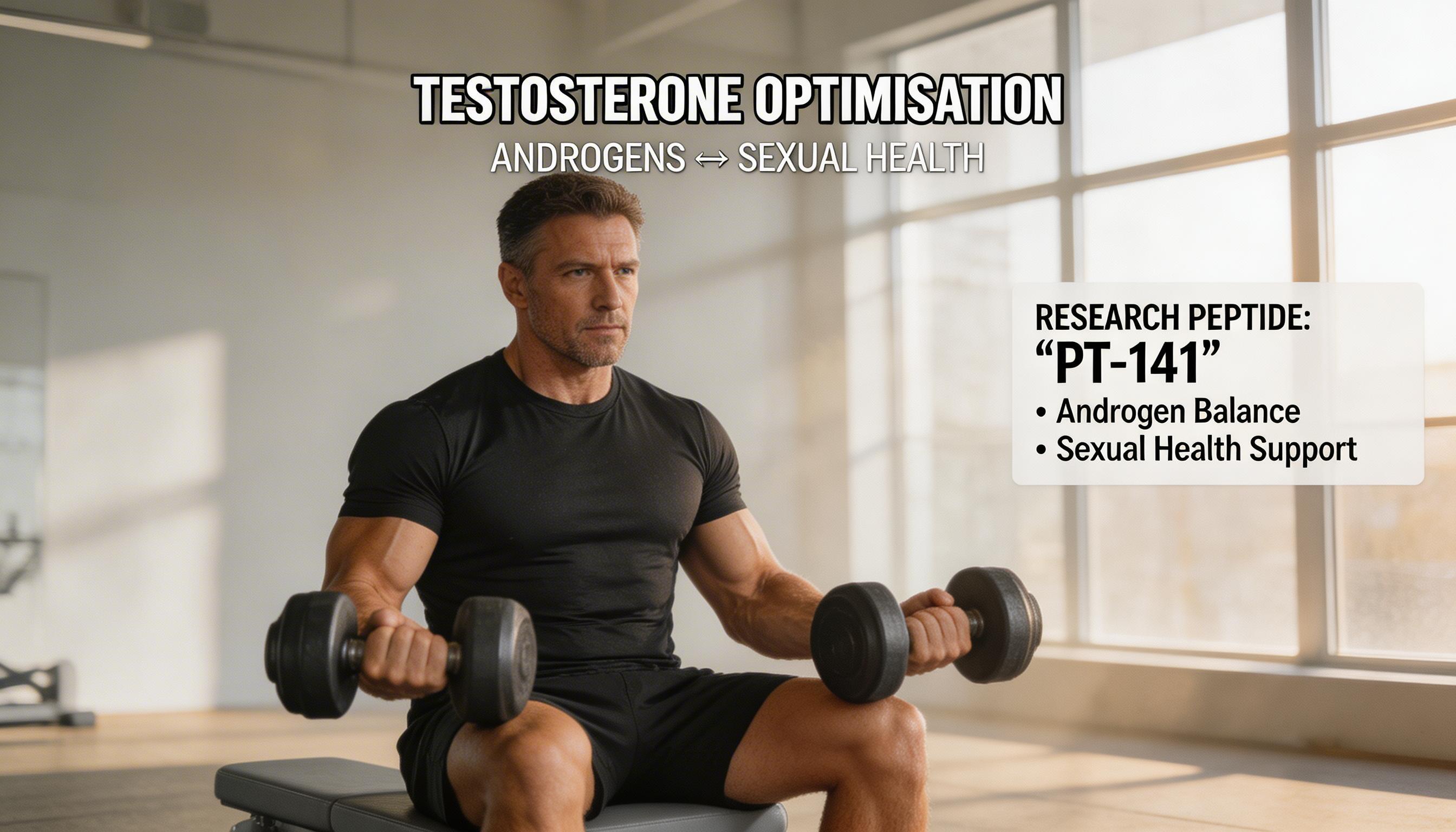
Does Low Testosterone Reduce PT-141 Effectiveness?
Research on this interaction is limited, but pharmacological reasoning suggests yes — severe testosterone deficiency can blunt PT-141's effectiveness. Here's why:
MC4R in the hypothalamus doesn't operate in isolation. The neural circuits it activates — particularly in the MPOA and limbic system — are sensitised by androgens. Testosterone upregulates the density and sensitivity of neural connections involved in sexual motivation. If testosterone is severely low, these circuits are fundamentally "quieter" — less responsive to any input, including melanocortin signals from PT-141. This is analogous to having a light switch (PT-141) that works fine, but the bulb (the underlying circuit) has low power due to testosterone deficiency.
Most clinical PT-141 studies were conducted in participants with normal or near-normal testosterone. The RECONNECT trials enrolled premenopausal women with HSDD — a population whose testosterone levels, while variable, were not specifically selected for hypogonadism. For men with significantly below-range testosterone, addressing that deficiency first is likely to produce better outcomes when PT-141 is subsequently introduced.
Research-Grade PT-141 in the UAE
CoreSup supplies laboratory-verified PT-141 with certificates of analysis — purity, identity, and potency confirmed. Delivered across Dubai, Abu Dhabi, and the UAE.
View PT-141 at CoreSupFrequently Asked Questions
Does PT-141 raise testosterone levels?
PT-141 does not directly raise testosterone. It works through melanocortin receptors (MC3R/MC4R) in the brain — a pathway entirely separate from the HPG axis that regulates testosterone production. No testosterone increases were reported in the Phase 3 RECONNECT trials or in the FDA prescribing label.
Can I use PT-141 with testosterone replacement therapy (TRT)?
Yes — PT-141 and TRT work through different mechanisms without known pharmacological interactions. Men on TRT who still have low desire despite normalised testosterone levels are considered potential candidates for PT-141, which addresses the central neural arousal deficit that TRT cannot resolve.
Does low testosterone affect PT-141 effectiveness?
Severe testosterone deficiency may blunt PT-141's effectiveness because the underlying neural circuits that PT-141 activates are sensitised by testosterone. For men with significantly low testosterone, addressing hypogonadism first and then using PT-141 is generally the more effective approach.
Does PT-141 affect estrogen or other hormones?
PT-141 does not directly affect estrogen, progesterone, LH, FSH, or other reproductive hormones. The FDA prescribing label does not list any endocrine outcomes in its pharmacodynamics section.

CoreSup stocks pharmaceutical-grade bacteriostatic water (10ml, 0.9% benzyl alcohol) with same-day delivery across Dubai and all UAE emirates.
Shop Bacteriostatic Water →Shop Featured Products


Related Products


Written by Amir Arsalan
Core Sup Research Team · Peptide & Supplement Specialists, Dubai UAE
Core Sup's editorial team is composed of specialists in peptide therapy, SARMs, and sports supplementation with direct experience in the UAE market. All content is written to current research standards and reviewed before publication.
Last reviewed: March 2026 · About Core Sup


