Biolab Shop
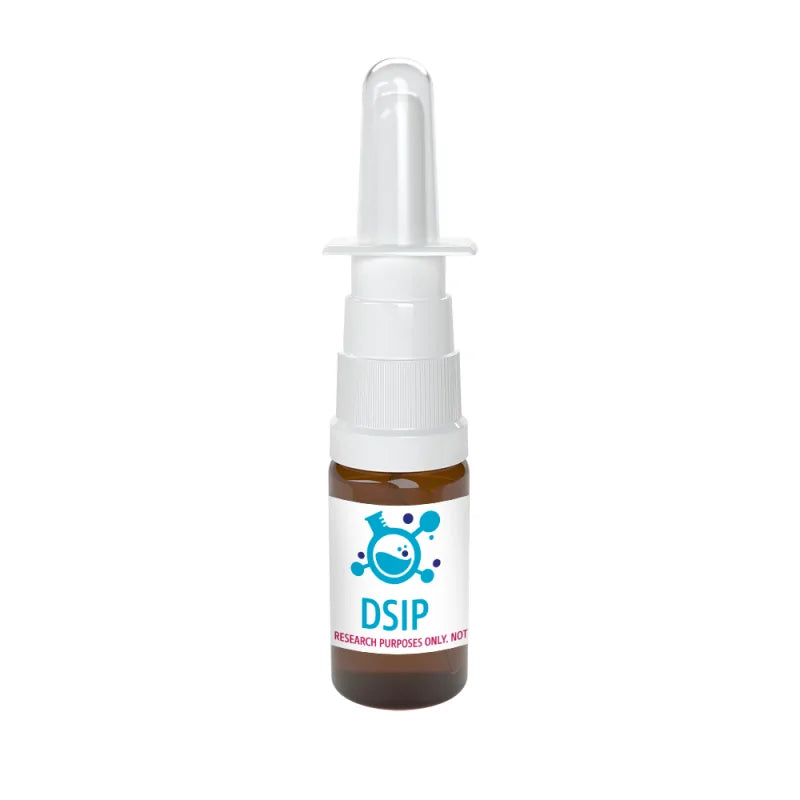
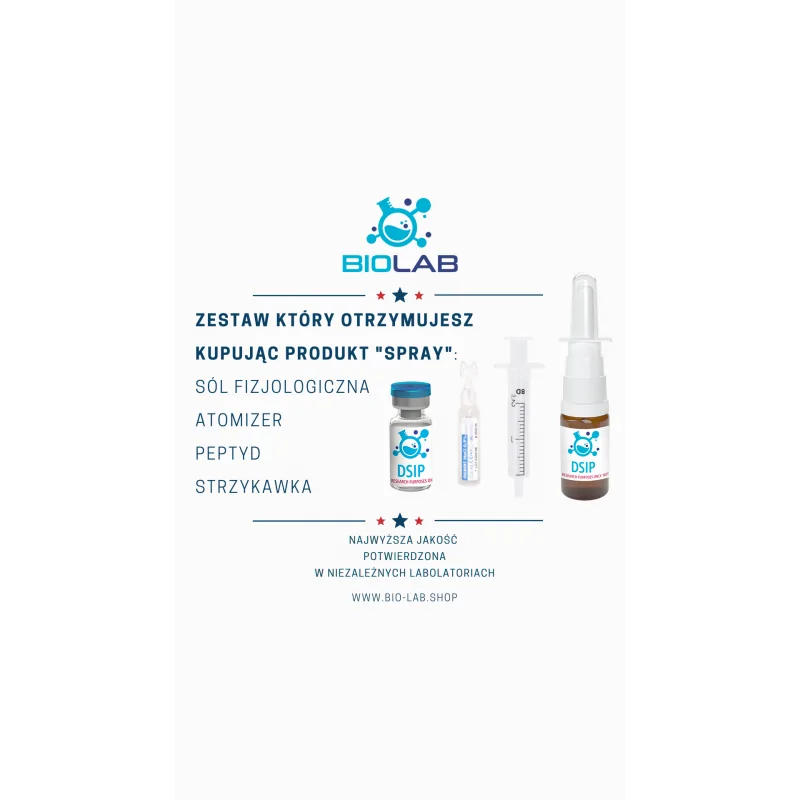
DSIP spray 5 mg (Delta Sleep-Inducing Peptide)
DSIP spray 5 mg (Delta Sleep-Inducing Peptide)
❇️ Product Specifications (Read More)
❇️ Product Specifications (Read More)
DSIP Spray 5 mg – Deep Sleep Inducing Peptide for Better Rest
What is DSIP?
DSIP (Delta Sleep-Inducing Peptide) is a naturally occurring neuropeptide that promotes deep, restorative sleep. It helps regulate sleep-wake cycles, reduces stress, and enhances overall sleep quality. The nasal spray format allows for convenient, fast-acting delivery directly to the brain for optimal sleep benefits.
Key Benefits
- Promotes deep sleep – Enhances delta wave sleep for maximum restoration
- Reduces stress & anxiety – Lowers cortisol and promotes relaxation
- Improves sleep quality – Helps you fall asleep faster and stay asleep longer
- Enhances recovery – Better sleep supports muscle repair and overall health
- Regulates circadian rhythm – Helps normalize sleep-wake cycles
How to Use
Dosage: 1-2 sprays per nostril, 30-60 minutes before bedtime
Timing: Best taken in the evening before sleep
Cycle: Can be used nightly or as needed for sleep support
Who Should Use DSIP?
- Individuals struggling with insomnia or poor sleep quality
- Those experiencing high stress or anxiety affecting sleep
- Athletes needing enhanced recovery through better sleep
- Anyone looking to optimize sleep and overall health
Why Choose Our DSIP Spray 5 mg?
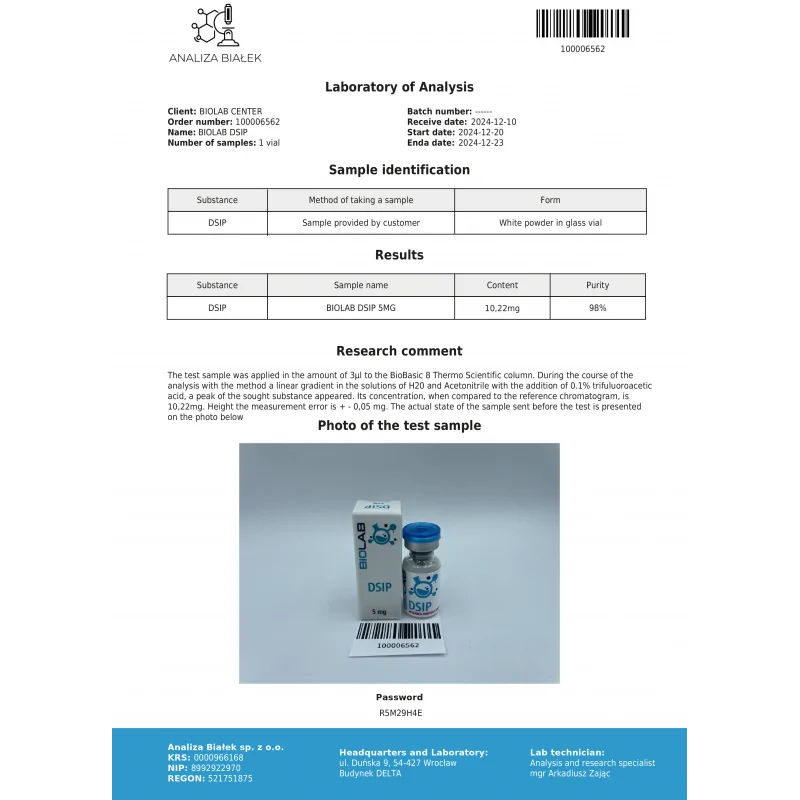
Our DSIP nasal spray is pharmaceutical-grade, precisely formulated for optimal absorption, and manufactured in certified facilities. The convenient spray format ensures fast-acting sleep benefits.
Safety & Storage
Store in a cool, dry place. Refrigerate after opening. Consult with a healthcare professional before use.
This product is intended for research purposes only and is not intended to diagnose, treat, cure, or prevent any disease.
Kan beschikbaarheid voor afhalen niet laden
 Money Back *up to 30 days
 Premium Quality
 Worldwide Fast Shipping