

Fragment 176-191 Dosage: Nasal Spray vs Injection Protocol
Fragment 176-191 Dosage: Nasal Spray vs Injection Protocol
- Standard SC dose: 250–500 mcg/day split 2× (fasted AM + fasted PM)
- Bioavailability: SC ~49% vs nasal spray ~3–9% — nasal needs 5–16× higher dose for same effect
- Always inject fasted — insulin blunts β3-adrenergic lipolysis
- Reconstitute: 5 mg vial + 2 mL bacteriostatic water = 2.5 mg/mL; 0.1 mL = 250 mcg
- Optimal cycle: 8–12 weeks; results visible from weeks 3–4
- Research compound only — not approved for human use in UAE
Dosage is where most Fragment 176-191 research protocols either succeed or fail. The peptide's lipolytic mechanism is highly dependent on two factors that are under the researcher's direct control: route of administration and metabolic state at time of injection. Get these wrong and the protocol will significantly underperform the compound's potential.
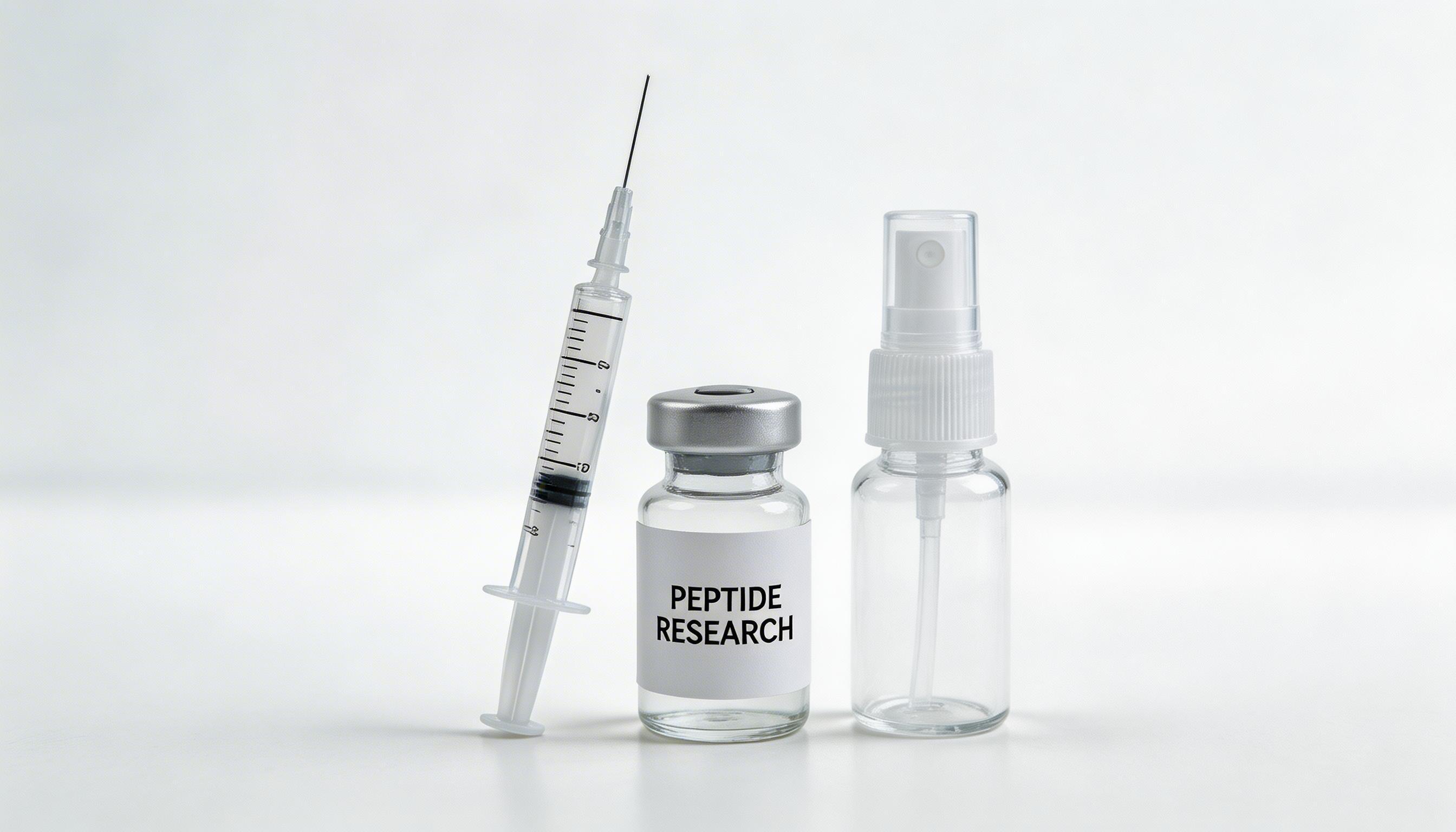
Subcutaneous Injection vs Nasal Spray: The Bioavailability Gap
The most important decision in any Fragment 176-191 protocol is choosing the administration route. The difference is not subtle:
| Route | Bioavailability | Equivalent Dose for 250 mcg SC | Recommendation |
|---|---|---|---|
| Subcutaneous injection | ~49% | 250 mcg (reference) | Strongly preferred |
| Nasal spray | ~3–9% | 1,400–4,000 mcg for equivalent exposure | Not validated for this peptide |
At nasal spray bioavailability of 3–9%, you would need to administer approximately 1.4–4 mg per nasal dose to match a 250 mcg subcutaneous injection. This is not only impractical but is unvalidated — no published protocol or clinical data exists for Fragment 176-191 nasal spray. The ~3–9% range cited in peptide research refers to general nasal peptide pharmacokinetics, not Fragment 176-191 specifically.
The verdict on nasal spray
Subcutaneous injection is the only validated route for Fragment 176-191 research. Nasal spray is a theoretically possible administration route but requires approximately 5–16× more peptide per dose to achieve equivalent systemic exposure, and no specific bioavailability or efficacy data exists for Fragment 176-191 via nasal delivery. Use SC injection.
Standard Dosing Protocols
Beginner Protocol
Beginner — Tolerance Assessment
Split: 125 mcg morning (fasted) + 125 mcg evening (fasted)
Duration: Weeks 1–4
Goal: Assess tolerance, establish injection routine, observe early appetite effects
Standard Fat Loss Protocol
Standard — Fat Loss Research
Split: 200–250 mcg morning (fasted) + 200–250 mcg pre-workout or evening (fasted)
Duration: 8–12 weeks
Goal: Primary fat loss protocol; optimal balance of efficacy and tolerability
Advanced Protocol
Advanced — Maximum Lipolysis
Split: 250 mcg morning (fasted) + 250 mcg pre-workout + 100–250 mcg before bed (fasted)
Duration: 8–12 weeks
Goal: Maximum lipolytic stimulation; 3× daily dosing maintains more consistent β3-AR activation
Women's Protocol
Women — Conservative Approach
Split: 100–200 mcg morning (fasted) + 100–200 mcg pre-workout or evening (fasted)
Duration: 8–12 weeks
Goal: Effective fat loss with lower total peptide volume; adjust based on individual response
Timing: Why Fasted Injections Are Non-Negotiable
Fragment 176-191's mechanism of action is β3-adrenergic receptor activation → hormone-sensitive lipase (HSL) activation → lipolysis. This pathway is directly antagonised by insulin.
When insulin levels are elevated (after eating, particularly carbohydrates), it activates phosphodiesterase enzymes that degrade the cyclic AMP signal responsible for triggering HSL. In practical terms: injecting Fragment 176-191 after a meal means the lipolytic signal is partially or completely blocked by the post-meal insulin response.
Optimal injection timing:
- Morning dose: Immediately upon waking, before any food or drink (except water). Wait 30–45 minutes before eating
- Evening dose: At least 3 hours after the last meal, before sleep or before evening cardio
- Pre-workout dose (advanced): 30–45 minutes before fasted cardio or weight training
Reconstitution Instructions
Fragment 176-191 is supplied as lyophilised (freeze-dried) powder. Standard 5 mg vials are the most common format in UAE supply.
Step-by-Step Reconstitution (5 mg vial)
- Allow vial to reach room temperature (15 minutes)
- Clean the rubber stopper with an alcohol swab
- Draw 2 mL of bacteriostatic water into a fresh syringe
- Insert needle through the rubber stopper at an angle
- Inject water slowly down the inside wall of the vial — not directly onto the powder
- Do not shake — gently roll or swirl the vial until completely dissolved
- The solution should be clear and colourless
- Label with reconstitution date and store at 2–8°C
- Use within 4 weeks of reconstitution
Dosing Reference (5 mg vial in 2 mL = 2.5 mg/mL = 2,500 mcg/mL)
| Target Dose | Volume | Insulin Syringe Units (100-unit syringe) |
|---|---|---|
| 125 mcg | 0.05 mL | 5 units |
| 250 mcg | 0.10 mL | 10 units |
| 375 mcg | 0.15 mL | 15 units |
| 500 mcg | 0.20 mL | 20 units |
Cycle Length and Structure
Research protocols typically use Fragment 176-191 in structured cycles rather than continuous use:
| Cycle Phase | Duration | Expected Outcomes |
|---|---|---|
| Weeks 1–4 | 4 weeks | First signs of lipolysis; appetite modulation begins; 250–500 mcg dose |
| Weeks 5–8 | 4 weeks | Visible fat loss acceleration, particularly abdominal region; increase dose if tolerated |
| Weeks 9–12 | 4 weeks | Peak efficacy window; body composition changes clearly measurable |
| Extended (weeks 13–16) | Optional | Continued progress possible; receptor downregulation possible at extended duration |
An 8–12 week cycle is optimal. Beyond 12–16 weeks, some research suggests potential β3-adrenergic receptor downregulation, which may reduce the lipolytic response over time. Taking a break of 4–6 weeks between cycles allows receptor sensitivity to reset.

Frequently Asked Questions
What is the correct dosage for Fragment 176-191?
250–500 mcg/day via subcutaneous injection, split into two equal fasted doses (morning + evening). Beginners start at 250 mcg/day; advanced protocols use 500–750 mcg/day in 2–3 injections. Women: 200–400 mcg/day.
Is nasal spray as effective as injections?
No. Subcutaneous SC bioavailability is ~49% vs ~3–9% for nasal spray. You would need 5–16× more peptide via nasal route to match the same exposure. No published Fragment 176-191 nasal protocol exists. Use SC injections.
When should you inject Fragment 176-191?
Always fasted — morning (pre-breakfast) and evening (3+ hours after last meal). Insulin from food directly antagonises the β3-adrenergic pathway, blunting lipolytic activity.
How do you reconstitute Fragment 176-191?
Add 2 mL bacteriostatic water to a 5 mg vial = 2.5 mg/mL. 0.1 mL (10 units) = 250 mcg. Inject water down the vial wall, swirl gently, do not shake. Store at 2–8°C. Use within 4 weeks.
How long should you cycle Fragment 176-191?
8–12 weeks optimal. Results visible from weeks 3–4. Extended cycles (up to 16 weeks) are possible but may see diminishing returns. Take 4–6 weeks off between cycles to reset receptor sensitivity.
Research-Grade Fragment 176-191 in UAE
CoreSup stocks verified Fragment 176-191 with Certificate of Analysis for UAE researchers. AED 200–400 per 5 mg vial.
View Fragment 176-191
CoreSup stocks pharmaceutical-grade bacteriostatic water (10ml, 0.9% benzyl alcohol) with same-day delivery across Dubai and all UAE emirates.
Shop Bacteriostatic Water →Shop Featured Products


Related Products


Written by Amir Arsalan
Core Sup Research Team · Peptide & Supplement Specialists, Dubai UAE
Core Sup's editorial team is composed of specialists in peptide therapy, SARMs, and sports supplementation with direct experience in the UAE market. All content is written to current research standards and reviewed before publication.
Last reviewed: March 2026 · About Core Sup


