

Retatrutide Before and After: Clinical Results & Realistic Timeline
Retatrutide Before and After: Clinical Results & Realistic Timeline
- TRIUMPH-4 (68 weeks, Dec 2025): 28.7% average body weight loss on 12 mg — the highest of any drug in Phase 3 trials
- At 48 weeks: ~24% loss; at 24 weeks: ~18% loss
- For a 250 lb person: ~45 lbs lost by 6 months, ~65 lbs by 16 months
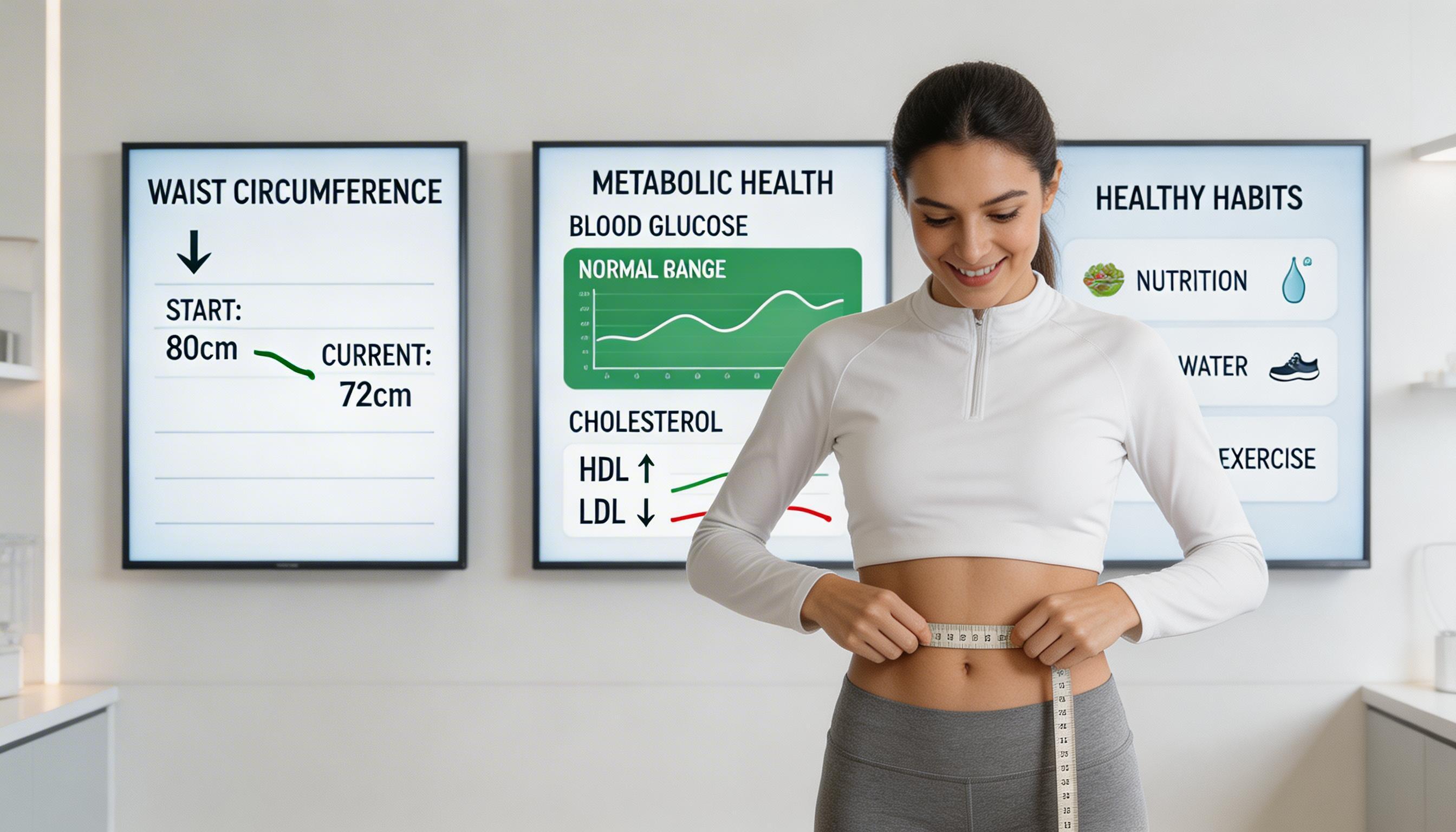
- Waist circumference: −10.51 cm average; fasting glucose: −23.51 mg/dL; blood pressure: −9.88 mmHg systolic
- Results vary 20–30% based on diet, exercise, age, and individual metabolism
- Muscle loss can be minimised with protein + resistance training
Retatrutide's clinical results are, by any measure, remarkable. The TRIUMPH Phase 3 programme has produced the highest weight loss data ever recorded in a pharmaceutical obesity trial — and that story is now substantially complete with the December 2025 TRIUMPH-4 topline results.
But understanding what those results actually mean in practice — what the before-and-after looks like week by week, and what's realistic for someone starting at a given weight — requires more than citing trial percentages.
The Clinical Results: What TRIUMPH Phase 3 Actually Shows
The TRIUMPH programme comprises multiple parallel trials. The most critical data points are:
| Timepoint | Average Weight Loss (% baseline) | Source |
|---|---|---|
| 24 weeks | ~18% | TRIUMPH Phase 3 pooled data |
| 36 weeks | 14.33% (pooled arms) | Peer-reviewed pooled analysis (PMC12026077) |
| 48 weeks | ~24% (high dose) | TRIUMPH Phase 3 |
| 68 weeks | 28.7% (12 mg) | TRIUMPH-4 topline results, December 2025 |
To put the 28.7% figure in context: the TRIUMPH-4 trial baseline weight was approximately 248.5 lbs (112.7 kg). A 28.7% reduction equals approximately 71.3 lbs (32.3 kg) lost — the equivalent of four bowling balls, or a third of the subject's starting bodyweight.

Week-by-Week Results Timeline
Initiation Phase (0.5 mg): 2–8 lbs lost
Primarily water weight and glycogen depletion as carbohydrate stores reduce. Appetite suppression begins subtly. Visible scale movement, but minimal fat loss at this stage. GI side effects are lowest here.
Early Efficacy (1–2 mg): 0.5–1.5 lbs/week
Real fat loss begins. Metabolic shift accelerates as GLP-1, GIP, and glucagon receptors activate. Appetite reduction becomes more pronounced — food intake drops without deliberate restriction. By week 12, many researchers have lost 8–15% of starting weight.
Compounding Phase (4–12 mg): Approaching ~18% loss
Rate slows slightly as the body adapts, but the cumulative effect compounds. Visible body recomposition — particularly reduction in abdominal adipose tissue. Waist circumference measurably reduces. Energy levels often improve despite weight loss as metabolic health markers improve.
Maximum Efficacy (12 mg stable): ~24% loss
For a 250 lb baseline: approximately 55–60 lbs lost. Glucagon receptor activity specifically prevents the metabolic plateau that blunts results with GLP-1/GIP-only drugs — this is the key differentiator at this stage. Body composition at this point is dramatically different from baseline.
Extended Maintenance (TRIUMPH-4): ~28.7% loss
Continued progress beyond 48 weeks with stable dosing. The additional 4–5% body weight loss in weeks 49–68 reflects the sustained anti-plateau effect of glucagon receptor activity. For a 250 lb baseline, this adds approximately another 10–12 lbs, reaching the trial average of ~71 lbs total.
Realistic Expectations by Starting Weight
| Starting Weight | Month 3 (≈24 weeks*) | Month 6 (~48 weeks) | Month 12–16 (~68 weeks) |
|---|---|---|---|
| 180 lbs (82 kg) | −23–27 lbs (13–15%) | −38–43 lbs (21–24%) | −48–52 lbs (27–29%) |
| 220 lbs (100 kg) | −28–33 lbs (13–15%) | −46–53 lbs (21–24%) | −59–63 lbs (27–29%) |
| 250 lbs (113 kg) | −32–38 lbs (13–15%) | −52–60 lbs (21–24%) | −67–72 lbs (27–29%) |
| 300 lbs (136 kg) | −39–45 lbs (13–15%) | −63–72 lbs (21–24%) | −81–87 lbs (27–29%) |
*Note: "Month 3" here refers to 24 weeks (6 months) as the dose-escalation period means full effect starts later — not calendar month 3. Weeks 1–20 are the titration period; peak effects occur from week 21 onwards on 12 mg.
Beyond Weight: Metabolic Before and After
Weight on the scale is only part of the story. TRIUMPH trial data shows significant improvements across a range of metabolic markers:
- Fasting glucose: −23.51 mg/dL (p<0.00001 vs placebo)
- HbA1c: −0.91% (significant reduction in diabetes risk marker)
- Systolic blood pressure: −9.88 mmHg (p<0.00001 vs placebo)
- Diastolic blood pressure: −3.88 mmHg
- Waist circumference: −10.51 cm average
- Knee osteoarthritis pain: TRIUMPH-4 specifically measured OA pain reduction — significant improvement reported
The full picture
Retatrutide's before-and-after is not just a weight number — it represents a comprehensive metabolic reset. The combination of triple-receptor agonism (GLP-1 + GIP + glucagon) produces improvements in glucose regulation, cardiovascular risk factors, and inflammatory markers simultaneously. This is why TRIUMPH-4 included an osteoarthritis pain endpoint — the compound's effects extend well beyond adipose tissue.
What Affects Individual Results
Clinical trial averages represent the population mean — individual results vary by 20–30% based on:
- Dose achieved: Researchers who reach and maintain 12 mg have substantially better outcomes than those who stabilise at 4–8 mg due to side effects
- Diet: Protein intake and caloric quality amplify results — targeting 1.2–1.6g protein/kg body weight reduces lean mass loss
- Exercise: Resistance training 3×/week alongside retatrutide significantly improves body composition outcomes vs weight loss alone
- Age: Older adults (50+) typically see 10–15% lower fat loss rate due to metabolic rate differences
- Sex: Women in their 40s+ often see more variance (hormonal fluctuations affect water retention and weekly scale readings)
- Adherence: Missed injections or premature escalation attempts are the most common reasons individual results fall below the trial average
Frequently Asked Questions
How much weight can you lose on retatrutide?
TRIUMPH Phase 3 data: ~18% at 24 weeks, ~24% at 48 weeks, 28.7% at 68 weeks (TRIUMPH-4). For a 250 lb starting weight: approximately 60 lbs by month 11, 71 lbs by month 16.
When do results start showing?
Appetite suppression within weeks 1–2. Initial scale loss (2–8 lbs water/glycogen) in weeks 1–4. Meaningful fat loss from weeks 5–12. Most visible transformation from week 13 onwards as dose reaches 4–12 mg.
Does retatrutide improve metabolic markers beyond weight?
Yes — fasting glucose −23.51 mg/dL, HbA1c −0.91%, systolic BP −9.88 mmHg, waist circumference −10.51 cm. All statistically significant vs placebo in TRIUMPH data.
Does retatrutide cause muscle loss?
Some lean mass loss is possible with significant caloric restriction. Minimise this with 1.2–1.6g protein/kg and resistance training 3× per week — the same approach used in GLP-1 class trials to preserve lean mass.
How does retatrutide compare to Ozempic and Mounjaro?
Retatrutide (28.7% at 68 weeks) substantially outperforms tirzepatide (~20.9%) and semaglutide (~14.9%) in Phase 3 data. It is the most efficacious weight loss drug candidate ever tested in a Phase 3 trial to date.
Research-Grade Retatrutide in UAE
CoreSup stocks verified retatrutide with Certificate of Analysis for UAE researchers.
View Retatrutide
CoreSup stocks pharmaceutical-grade bacteriostatic water (10ml, 0.9% benzyl alcohol) with same-day delivery across Dubai and all UAE emirates.
Shop Bacteriostatic Water →Shop Featured Products


Related Products


Written by Amir Arsalan
Core Sup Research Team · Peptide & Supplement Specialists, Dubai UAE
Core Sup's editorial team is composed of specialists in peptide therapy, SARMs, and sports supplementation with direct experience in the UAE market. All content is written to current research standards and reviewed before publication.
Last reviewed: March 2026 · About Core Sup


